
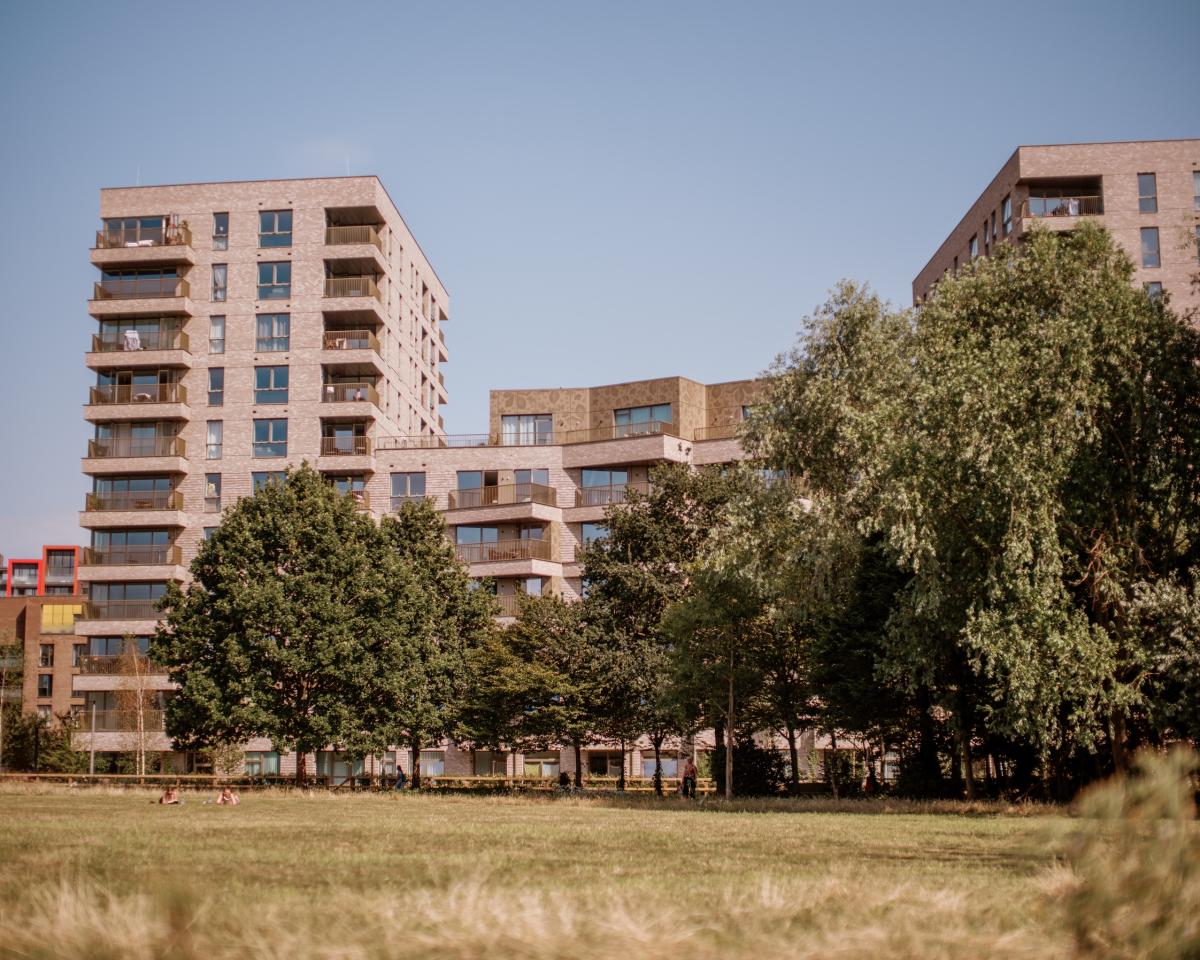
The council’s Capital Programme funds projects that directly benefit its communities. Borrowing is essential to funding long-term investment, from building new homes through Greenwich Builds, to improving schools and roads as well as renovating public buildings.
Through this programme the council has been able to deliver brand-new state-of-the-art facilities such as Woolwich Waves, and much needed special educational provision for children and young people aged 4 to 19 with autism and severe language and learning delays.
Councillor Anthony Okereke, Leader of the Royal Borough of Greenwich said: “Some people may look at the books and come to the wrong conclusion – maybe by taking every loan on our books, adding them together, and dividing it by the number of residents to try and break it down. That calculation does not mean anything because our finances are not just one big pot. They run through separate accounts, and the law keeps them separate. Most of our borrowing sits in the housing account. By law, that account is ring fenced. The rent our tenants pay can only be spent on council housing, and the loans in that account are repaid from those rents. Not from Council Tax. The rest sits in the general fund, which covers everything else we do.”
Councillor Rachel Taggart-Ryan, Cabinet Member for Finance and Resources said: “Much like a mortgage, borrowing is a vital investment into lasting assets, from council housing to improving existing homes, building schools and strengthening infrastructure across the borough. Our council homes alone are worth a combined £6.5billion, and more importantly, they drastically cut the amount we spend on keeping families safe from homelessness and keeping them out of temporary accommodation.
“Despite having to make £150million in savings over the last 14 years, we have managed to balance our budget consistently, without needing a government bailout. We are a well-managed council that ensures all borrowing is carefully planned, affordable long term – and approved through our Capital Programme.”
Capital funding is not used to pay for day-to-day services, this is managed through the council’s budget, which is well managed and balanced. In March, external auditors reported that the council manages its finances in a prudent way. Through sound investment, the council is reducing longer term costs.
Improvements are also being made to the borough’s high streets, as well as the decarbonisation of council owned properties and fleets to meet the council’s ambitions to be a net-zero borough and support sustainability.