
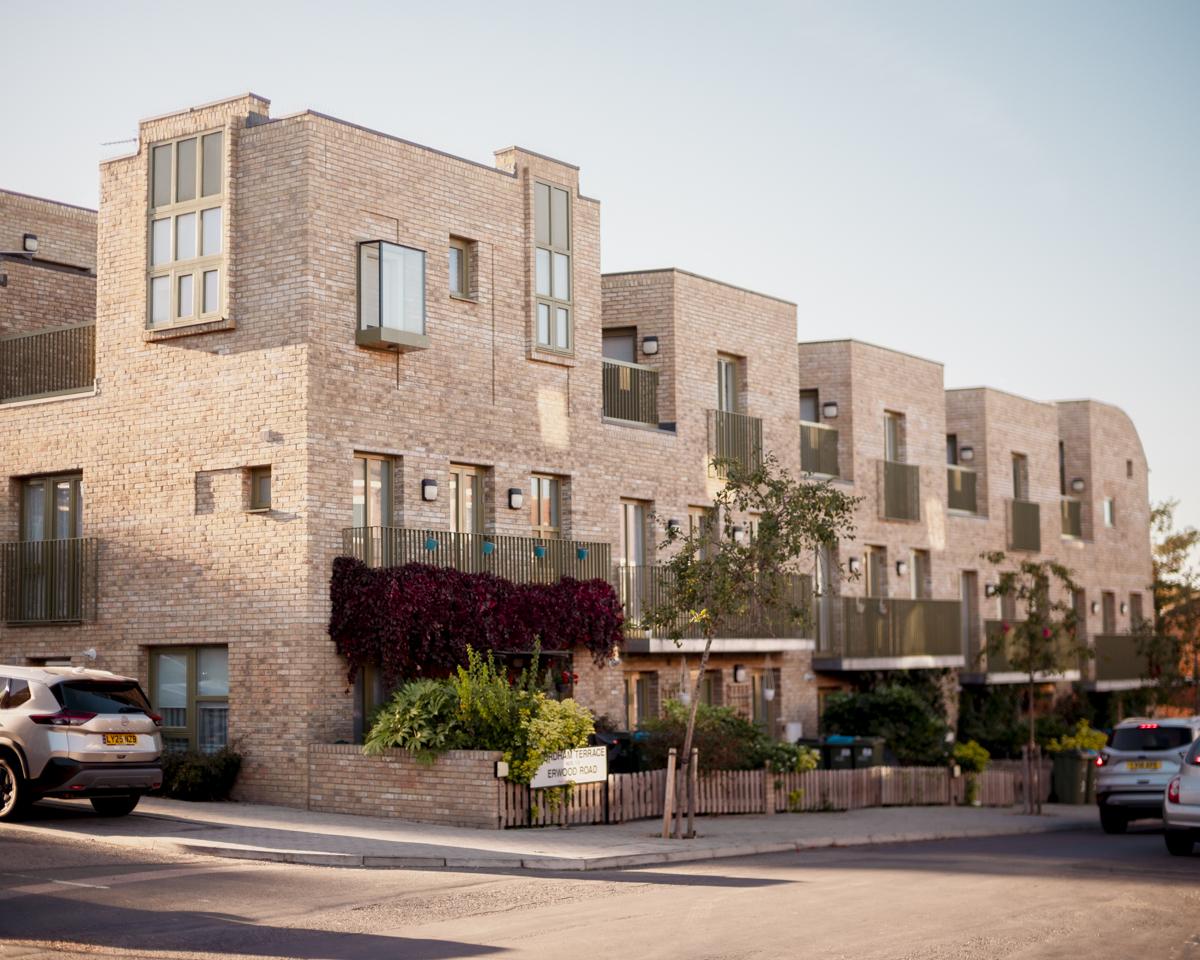
The Royal Borough of Greenwich is set to launch its most extensive public collaboration on the borough’s most important planning document to date.
Royal Greenwich is one of the fastest growing boroughs in London, one of the greenest and one of the youngest. It is a melting pot of cultures, has a rich naval and military history, a UNESCO World Heritage Site, flourishing creative industries as well as the longest stretch of riverside in London.
The borough also has high levels of income and health inequality and areas that suffer from a lack of public transport options. The borough is unique and needs an updated Local Plan, the main planning document that sets out its long-term aspirations for guiding future development, that will meet the unique needs of its local community over the next 15 years. The draft Plan will include a list of areas where development could happen and what could happen there, set out how it will protect what is important and how it will respond to the climate emergency.
Permission to start public consultation on the council's draft Local Plan was approved by Cabinet on 15 November and approved at Full Council on 3 December, the most extensive Local Plan consultation will be launched on 15 December for eight weeks.
Councillor Anthony Okereke, Leader of the Royal Borough of Greenwich, said:
“A draft Local Plan is our bold and ambitious long-term vision for the borough: how and where new homes, jobs and community spaces will be created; how we protect our green spaces and heritage; how we respond to the climate emergency; and how we make sure growth benefits everyone.
We have many areas of significant opportunity across the borough for new homes and development supported by the right infrastructure. Thamesmead, which has been shortlisted as a potential New Town, could unlock 15,000 new homes and 8,000 new jobs alone.
“Once the final Local Plan is approved, it is used to help decide the outcome of planning applications. It also helps landowners and developers understand what our priorities are, so we want to make sure as many people have their voices heard as possible, to shape what the final plan will look like. We’ll be running drop-in events and exhibitions across the borough culminating in a Community Assembly as well as portal where people can take part online.”
Councillor Majid Rahman, Cabinet Member for Planning, Estate Renewal and Development, said:
“We want the final Local Plan to deliver a mix of more better, quality homes with genuinely affordable and family sized ones prioritised that meet the diverse needs of our residents and that we can all be proud of.
“The final Local Plan once it is adopted will also help us warn off bad development and make it harder for those who want to take advantage of our borough. One of the steps we want to take is making it more difficult to convert family-sized properties (three bed or more) to houses in multiple occupation (HMOs) to help protect the existing housing stock.
“Equally important is promoting climate-resilient design in all development and upholding the highest standards of energy efficiency, incorporating low-carbon technologies and sustainable design principles. But we need everyone to have their say first. We’ve split the plan up into digestible themes so people can have a say on the specific areas that matter to them. We’ve also allowed plenty of time and a wide-range of opportunities for residents to learn more and take part and we look forward to hearing their views.”
Find out more
The public consultation on the draft Local Plan will launch on Monday 15 December and run to Sunday 8 February.
The draft Local Plan is divided into eight themes: Places, Housing, Economy, Town Centres, Design and Heritage, Environment, Climate Emergency and Transport.
The public will be able to find out more once it launches through exhibitions in libraries, an online portal, webinars and drop-in events.
How can you have your say
All residents, businesses, community groups and organisations are encouraged to take part, explore the draft Local Plan and share their views. They will be able to do this online, through the drop-in events and a final Community Assembly event.
What happens next
The production of a Local Plan involves multiple stages – from evidence gathering to public consultation with communities and stakeholders, examination, and adoption. The council ran a first phase of public consultation during August and September 2023. After this phase of consultation ends all the feedback will be used to shape a final Local Plan which will be submitted to the government’s Planning Inspectorate for independent examination which will determine whether the Plan can be adopted.
Note to editors
What the borough’s final Local Plan will do
- Direct growth to the most suitable places
- Anticipate future need
- Protects what matters: heritage, views, parks etc
- Supports high streets
- Shapes how places look and feel
- Balances needs of all groups
What the borough’s final Local Plan can’t do
- Control where people drive or park
- Directly provide jobs
- Cap property prices or rent